Choosing the Right Welder for Pipeline Girth Welding Projects
Understanding Pipeline Girth Welding
What is Pipeline Girth Welding?
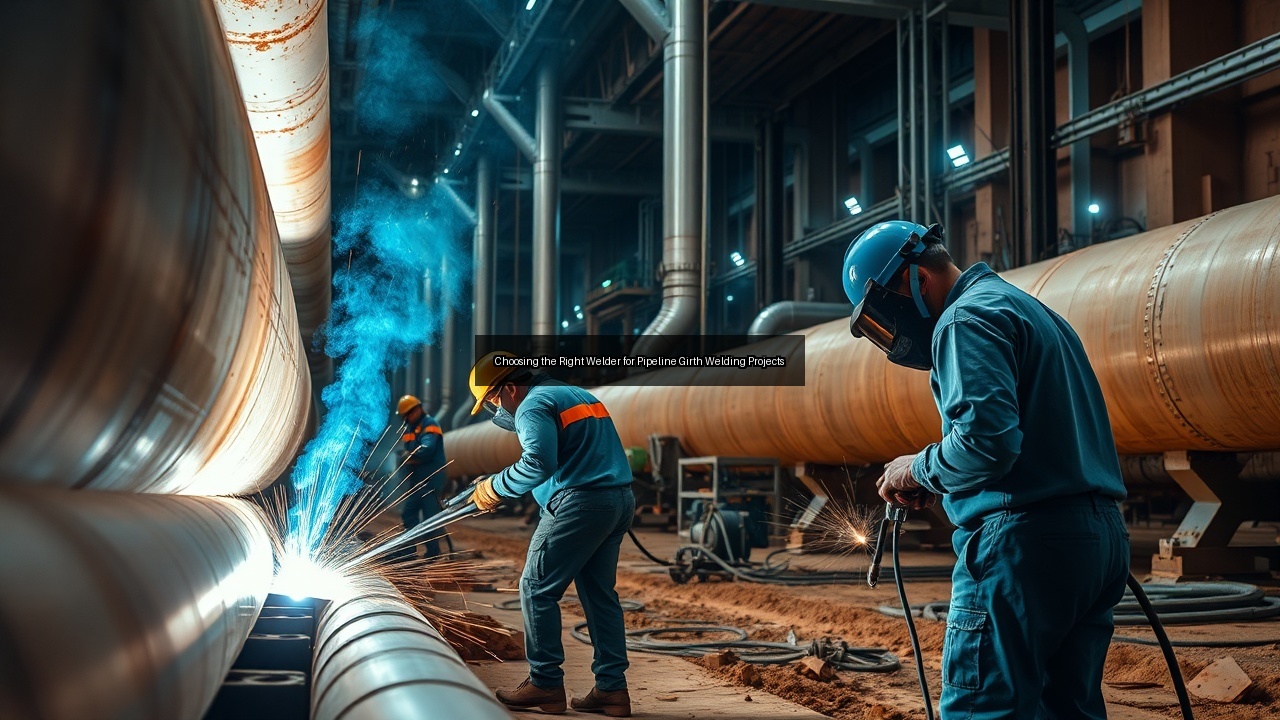
Pipeline girth welding refers to the process of welding sections of pipe together, specifically at their circumferences or "girths." This technique plays a critical role in pipeline construction, ensuring the integrity and strength of the pipeline system. Girth welds typically connect long sections of pipe, allowing for efficient transport of gas, oil, and other materials over vast distances. The welding process involves various methods, including manual and automated techniques, to ensure strong, reliable joints capable of withstanding high pressures and environmental conditions. Proper girth welding is essential for maintaining the pipeline's overall performance and longevity.
The Importance of Girth Welds in Pipeline Construction
Girth welds serve as the backbone of pipeline construction, directly influencing the pipeline's durability and safety. Each girth weld must meet stringent engineering standards to prevent leaks, ruptures, and other failures that could lead to environmental disasters or safety hazards. The success of a pipeline project hinges on the quality of these welds, as they must endure the stresses of pressure fluctuations, temperature changes, and potential corrosion. Moreover, the welded joints must facilitate the seamless transport of materials, ensuring operational efficiency across the entire pipeline network. Therefore, understanding the significance of girth welds is crucial for anyone involved in pipeline construction.
Common Materials Used in Pipeline Girth Welding
Various materials are utilized in pipeline girth welding, with the most common being carbon steel, stainless steel, and plastic composites. Carbon steel offers excellent strength and weldability, making it a popular choice for oil and gas pipelines. Stainless steel, known for its corrosion resistance, is often employed in environments prone to moisture or chemical exposure. Plastic materials, such as high-density polyethylene (HDPE), are increasingly used for specific applications due to their lightweight and flexible properties. Each material presents unique challenges and advantages during the welding process, which welders must consider when selecting the appropriate welding method.
Key Factors in Choosing the Right Welder
Welding Methods for Girth Welding: An Overview
Choosing the right welder for pipeline girth welding involves understanding various welding methods. Common techniques include Shielded Metal Arc Welding (SMAW), Gas Tungsten Arc Welding (GTAW), and Gas Metal Arc Welding (GMAW). Each method offers distinct advantages and is suitable for different materials and conditions. For instance, SMAW is often preferred for its versatility and portability, while GTAW is known for producing high-quality welds in stainless steel applications. Additionally, Friction Stir Welding (FSW) has emerged as a modern technique, providing strong, defect-free joints without the need for filler materials. Evaluating the specific requirements of the project will help determine the most effective welding method.
Considering Weldability and Material Strength
Weldability and material strength are pivotal factors in the selection of a welder for girth welding projects. Weldability refers to a material's ability to be welded without encountering defects such as cracks or porosity. Understanding the weldability of the chosen materials helps ensure that the welding process yields strong, reliable joints. Material strength also plays a critical role; high-strength materials require precise control over the welding parameters to avoid weakening the joint. Welders must evaluate the specific requirements of the project, including the type of pipeline, the materials involved, and the expected environmental conditions to achieve optimal results.
The Role of Temperature in Girth Welding
Temperature significantly impacts the girth welding process. The metals being welded must reach specific heat levels to achieve a successful bond, and maintaining the right temperature throughout the welding process is crucial. Too high a temperature can lead to warping or burn-through, while too low a temperature may result in inadequate fusion and weak welds. Additionally, temperature control is vital when welding materials with different thermal expansion coefficients, as this can affect the integrity of the weld. Welders must employ techniques such as preheating or post-weld heat treatment to manage temperature effectively, ensuring strong, durable girth welds.
Inspection and Quality Assurance in Girth Welding
Weld Inspection Techniques: Ultrasonic and Non-Destructive Testing
Inspection forms a critical component of pipeline girth welding, as it ensures that welds meet safety and quality standards. Ultrasonic testing (UT) and other non-destructive testing (NDT) methods are commonly used to assess weld integrity without damaging the materials. Ultrasonic testing employs high-frequency sound waves to detect internal flaws, such as cracks or voids, that may compromise the weld's strength. Other NDT techniques may include radiographic testing and magnetic particle testing, each serving specific purposes and providing additional layers of assurance. Regular inspections throughout the welding process are vital for maintaining high standards and ensuring the long-term reliability of the pipeline.
Understanding Girth Weld Inspection Procedures
Understanding girth weld inspection procedures is essential for ensuring the quality and safety of pipeline construction. Inspection typically begins with visual assessments, where welders and inspectors examine the welds for visible defects. Following this, more advanced techniques such as ultrasonic testing and radiographic inspection provide a comprehensive evaluation of the weld's internal structure. Inspectors must be trained to interpret the results accurately and recommend corrective actions if defects are found. Documentation of the inspection process also plays a vital role in compliance with industry standards, ensuring that all welds meet the necessary criteria for strength and integrity.
The Impact of Corrosion on Weld Integrity
Corrosion poses a significant risk to the integrity of girth welds and the overall pipeline system. Factors such as environmental exposure, chemical interactions, and the presence of moisture can accelerate corrosion processes, leading to weakening of the welded joints. Protecting welds from corrosion involves using corrosion-resistant materials, applying protective coatings, and implementing cathodic protection systems. Regular inspection and maintenance are crucial for identifying early signs of corrosion and addressing them before they compromise weld integrity. Understanding the impact of corrosion on girth welds ensures that pipeline operators can maintain safe and efficient operations over the long term.
Best Practices for Successful Girth Welding Projects
Developing an Effective Girth Weld Procedure
Developing an effective girth weld procedure is key to the success of any pipeline project. This procedure should outline the specific welding methods to be used, the materials involved, pre-weld preparations, and post-weld inspections. It must also consider factors such as heat input, electrode type, and joint design to optimize the welding process. Standardization of procedures helps ensure consistency and quality across all welds, reducing the potential for defects. Training welders on the established procedures is equally important, as skilled operators will adhere to the guidelines, resulting in stronger, more reliable girth welds throughout the pipeline.
Friction Stir Welding: A Modern Approach
Friction Stir Welding (FSW) represents a modern approach to girth welding that offers numerous advantages over traditional methods. This technique involves joining materials through a rotating tool that generates heat through friction, resulting in a solid-state weld without the need for filler material. FSW produces high-quality welds with minimal distortion and is particularly effective for materials that are challenging to weld using conventional methods. The ability of FSW to create strong, defect-free joints makes it an attractive option for pipeline construction, especially when working with materials sensitive to thermal effects. As technology advances, FSW continues to gain traction in the industry.
Ensuring Quality with Comprehensive Weld Inspection
Ensuring quality through comprehensive weld inspection is essential for maintaining the integrity of girth welds in pipeline construction. A robust inspection program encompasses various techniques, from visual assessments to advanced non-destructive testing methods. Regular inspections at different stages of the welding process help identify issues early, allowing for timely corrective actions. Documentation of inspection results is crucial for compliance with industry standards and for tracking weld quality over time. By prioritizing thorough inspection practices, pipeline operators can safeguard against failures, extend the lifespan of their infrastructure, and ultimately ensure the safe transport of materials.