Key Considerations When Installing Motors in Hazardous Locations
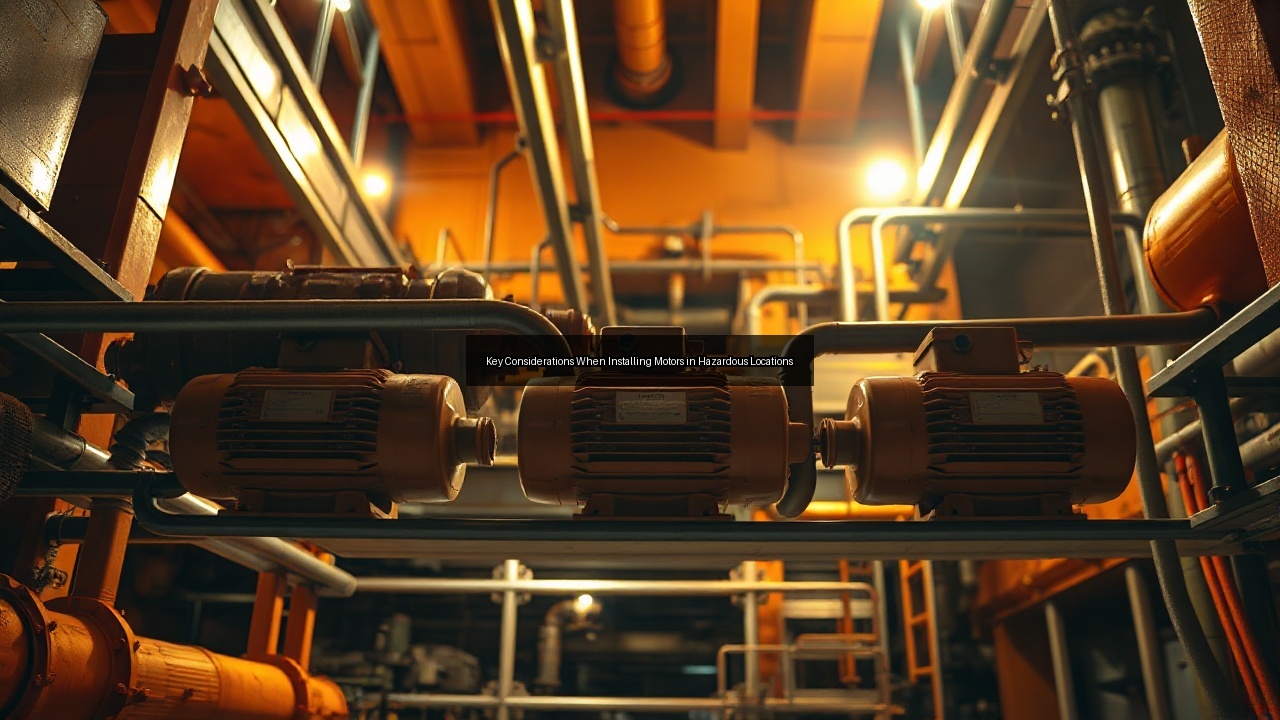
Understanding Hazardous Locations
Types of Hazardous Locations: Gases, Vapors, and Dusts
Hazardous locations pose unique challenges and risks due to the presence of flammable gases, vapors, and dusts. These environments commonly occur in industries such as oil and gas, chemical manufacturing, and food processing. Understanding the specific type of hazard is crucial for selecting the appropriate hazardous location motors. For example, locations that handle volatile gases like propane or gasoline require motors designed to prevent ignition from sparks or heat. Similarly, areas with combustible dust, such as in the pulp and paper industry, necessitate equipment that minimizes the risk of explosion. Recognizing the characteristics of these hazards informs not only motor motors for hazardous location selection but also installation and maintenance practices.
Common Industries Utilizing Hazardous Location Motors
Several industries rely heavily on hazardous location motors to maintain operational safety and efficiency. The oil and gas sector often employs these motors in environments where flammable vapors hazardous duty motors may be present, such as gas compressors and drilling rigs. Similarly, chemical plants utilize electric motors for dangerous locations to power equipment that handles hazardous materials. Food and beverage processing facilities also fall into this category, especially in areas where dust from grains and other ingredients accumulates. Data centers, although less obvious, can also present hazardous conditions due to cooling towers that operate with flammable liquids. Understanding the industry requirements aids in selecting the right motor and ensuring compliance with safety standards.
Standards and Regulations for Hazardous Locations
Adhering to standards and regulations is vital when installing hazardous location motors. Organizations like the National Electrical Manufacturers Association (NEMA) and the National Fire Protection Association (NFPA) establish guidelines that govern the design and use of equipment in hazardous environments. These standards dictate criteria such as temperature ratings, enclosure ratings, and other safety measures to prevent ignition. Compliance with standards not only protects personnel but also maintains operational integrity and minimizes liability. Understanding these regulations when selecting hazardous location motors ensures that installations meet legal and safety requirements, ultimately leading to safer working conditions.
Selecting the Right Motor for Hazardous Environments
Key Specifications of Hazardous Location Motors
When selecting hazardous location motors, several key specifications must be considered. First, the motor must have a suitable explosion-proof rating, which indicates its ability to contain any potential explosion within the motor itself. This rating is crucial in environments where flammable gases, vapors, or dusts are present. Additionally, the motor's temperature class must match the environment's requirements, ensuring it operates safely without overheating. Other important specifications include the motor's power rating, efficiency, and compatibility with existing infrastructure. Consulting with a knowledgeable distributor can help in identifying motors that meet these specifications and ensure they are suitable for the intended application.
Single Phase vs. Three Phase Motors
Choosing between single phase and three phase motors is a critical decision in hazardous environments. Single phase motors generally operate on lower power and are suitable for small applications, while three phase motors provide higher efficiency and power output, making them ideal for larger industrial applications. In environments with limited space or where lower torque is acceptable, single phase motors may suffice. However, for applications involving heavy-duty tasks, such as those found in gas compressors or large cooling systems, three phase motors are often the better choice due to their enhanced performance and reliability. Evaluating the specific needs of the application will guide the decision on which type of motor to install.
Importance of NEMA Ratings in Hazardous Locations
NEMA ratings play a pivotal role in ensuring the safe operation of hazardous location motors. These ratings classify motors based on their suitability for specific environments, including those with exposure to moisture, dust, and corrosive agents. For motors installed in hazardous locations, a proper NEMA rating guarantees that the motor's enclosure can withstand the environmental challenges it will face. For example, NEMA Type 7 and Type 9 ratings are specifically designed for use in areas with flammable gases and dust, respectively. Ensuring that the selected motor complies with the appropriate NEMA ratings is essential for safety, performance, and regulatory compliance.
Installation Considerations for Hazardous Location Motors
Environmental Factors: Temperature and Cooling Requirements
Environmental factors significantly influence the installation of hazardous location motors. Temperature management is crucial, as excessive heat can lead to equipment failure or ignition in flammable environments. Understanding the ambient temperature range and ensuring the motor's cooling requirements are met is essential. For example, if a motor operates in a high-temperature environment, implementing cooling solutions like ventilation or heat exchangers may be necessary to maintain optimal operating conditions. Additionally, monitoring the frequency of temperature changes can help in assessing the motor's long-term reliability. hazardous duty motors Adapting to these environmental factors ensures that hazardous location motors function safely and efficiently.
Infrastructure and Dimensioning for Safe Installation
The infrastructure surrounding the installation site must accommodate the specific requirements of hazardous location motors. Proper dimensioning is essential to ensure adequate space for maintenance and repair activities. The layout should facilitate safe access to the motor while considering the potential for leaks or spills from nearby equipment. Additionally, the installation must include protective measures such as barriers or containment systems to minimize risk. Collaborating with engineers and using data-driven approaches can help in designing an infrastructure that supports the safe operation of hazardous location motors while complying with industry standards.
Behavior of Motors in Extreme Conditions
Motors installed in hazardous environments often face extreme conditions that can affect their behavior and performance. Factors such as humidity, pressure changes, and exposure to corrosive substances can impact motor life and functionality. Understanding how hazardous location motors respond to these conditions is crucial hazardous location electric motors for ensuring reliability. For example, motors exposed to high humidity may require additional sealing or coatings to prevent moisture ingress. Regular monitoring and assessments can help identify any changes in performance, allowing for timely interventions. Recognizing and planning for these extreme conditions enhances the longevity and functionality of hazardous location motors.
Maintenance and Warranty Aspects
Best Practices for Repair and Maintenance of Hazardous Location Motors
Regular maintenance and repair practices are essential for the longevity of hazardous location motors. Implementing a preventive maintenance schedule can help identify potential issues before they escalate into costly failures. This includes routine inspections, lubrication of moving parts, and testing of electrical connections. Additionally, keeping detailed records of maintenance activities provides valuable data that can inform future repairs and replacements. Engaging with EASA-certified repair facilities ensures that repairs meet industry standards and maintain the motor's integrity. Establishing a culture of maintenance not only enhances safety but also improves overall operational efficiency in hazardous environments.
Understanding Warranty and Support from Distributors
When investing in hazardous location motors, understanding warranty and support options from distributors is crucial. Warranties typically cover defects in materials and workmanship, but they may also include specific terms related to the motor's application in hazardous environments. Review the warranty conditions carefully to ensure they align with your operational needs. Additionally, consider the level of support offered by the distributor, including availability for technical assistance and replacement parts. A reliable distributor will provide not only quality products but also the necessary support to address any issues that may arise during the motor's operational life.
Data Collection for Performance Monitoring in Hazardous Installations
Data collection plays a vital role in monitoring the performance of hazardous location motors. Utilizing sensors and monitoring systems can provide real-time data on motor performance, including temperature, vibration, and operational speed. This data assists in identifying trends and potential issues before they lead to equipment failure. Implementing a comprehensive data collection strategy allows operators to optimize motor performance, schedule maintenance effectively, and ensure compliance with safety regulations. Regular analysis of performance data helps maintain safety standards and operational efficiency in hazardous environments.
See Also
- The Role of EASA Standards in Hazardous Location Motor Selection
- Maximizing Performance of Gas Compressors with Hazardous Location Motors
- How Frequency Drives Enhance the Efficiency of Hazardous Location Motors
- Why NEMA Ratings Matter for Motors in Hazardous Locations
- Real-World Applications of Hazardous Location Motors in Various Industries