How 3D Printing is Revolutionizing Assembly Fixture Design
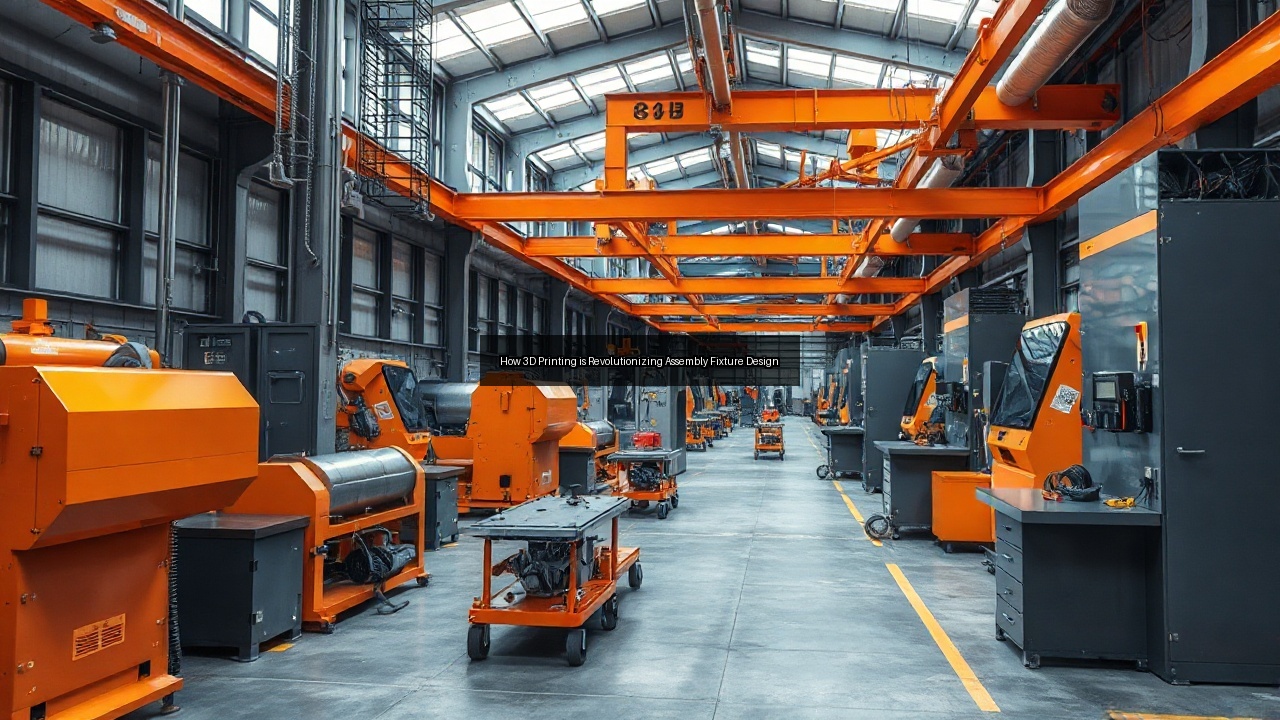
The Impact of 3D Printing on Assembly Fixture Design
Understanding 3D Printing Technologies
3D printing, also known as additive manufacturing, refers to a collection of technologies that create three-dimensional objects layer by layer from a digital model. Various methods, including Stereolithography (SLA), Selective Laser Sintering (SLS), and Fused Deposition Modeling (FDM), cater to different material requirements and design complexities. Each technology has unique strengths—SLS excels in producing durable prototypes from powdered materials, while FDM is favored for its versatility and cost-effectiveness. These technologies empower engineers and designers to create complex geometries that traditional methods struggle to achieve, fundamentally changing how assembly fixtures are conceived and produced.
Comparing Traditional vs. 3D Printed Fixtures
Traditional assembly fixtures often rely on machining techniques, utilizing materials like aluminum, steel, or wood. This process can be time-consuming and often requires extensive tooling, which increases lead times and costs. In contrast, 3D printed assembly fixtures eliminate many of these hurdles. Instead of creating a fixture through subtractive methods, engineers can design and print fixtures directly from CAD models. This shift not only reduces the time from concept to production but also allows for more intricate designs. Traditional fixtures may limit versatility, while 3D printed versions can easily adapt to changing manufacturing needs, making them a superior option in dynamic production environments.
Benefits of 3D Printing in Fixture Production
The benefits of integrating 3D printing into assembly fixture production are numerous. First, the speed of production accelerates significantly; designers can iterate rapidly, producing prototypes in days instead of weeks. Second, the design possibilities expand, allowing for more ergonomic and efficient layouts that enhance workflow and reduce errors. Additionally, 3D printing minimizes material waste, as it only uses the material needed for the part, which contributes to sustainability efforts in manufacturing. This innovative approach not only supports lean manufacturing principles but also enables the creation of custom fixtures tailored to specific assembly processes, whether for welding, soldering, or drilling operations.
Key Advantages of 3D Printed Assembly Fixtures
Cost Efficiency and Reduced Material Waste
Cost efficiency stands out as one of the foremost advantages of 3D printed assembly fixtures. Traditional machining involves high labor costs and significant material expenditures. Every cut through metal or other substrates results in waste, which can accumulate and inflate project budgets. In contrast, 3D printing uses only the necessary material, drastically reducing waste. This reduction not only lowers costs but also aligns with environmentally sustainable practices, which are increasingly important in modern manufacturing. Moreover, the ability to produce fixtures on-demand minimizes inventory costs, allowing businesses to allocate resources more efficiently. Overall, the financial benefits of 3D printing create a compelling case for its adoption in fixture design.
Increased Design Flexibility and Customization
3D printing revolutionizes design flexibility, enabling manufacturers to create highly customized assembly fixtures that meet specific production requirements. Traditional methods often impose limitations due to tooling constraints, but 3D printing allows for the creation of intricate geometries and complex features that enhance functionality. For example, fixtures can be designed with integrated jigs or specific angles that improve the assembly process for various tools. This adaptability extends to rapid prototyping, where designs can be tested and modified quickly based on real-world feedback. The capacity to customize fixtures means companies can respond swiftly to product changes, ensuring that their manufacturing strategies remain efficient and effective.
Enhanced Productivity in Manufacturing Processes
Enhanced productivity is another significant advantage of 3D printed assembly fixtures. The ability to quickly produce and adapt fixtures leads to shorter downtimes and faster assembly cycles. When fixtures are tailored to specific tasks—whether for milling, welding, or drilling—workers can complete their tasks more efficiently. Additionally, the ergonomic design of 3D printed fixtures often results in improved worker comfort and reduced fatigue, further driving productivity. As assembly processes become more streamlined, manufacturers can increase output without compromising quality, ultimately leading to greater profitability. This boost in productivity is especially vital in industries like automotive and aerospace, where precision and efficiency are paramount.
Best Practices for Implementing 3D Printed Fixtures
Choosing the Right 3D Printing Technology (SLS, FDM, etc.)
Selecting the appropriate 3D printing technology is crucial for successful implementation of assembly fixtures. Each technology offers distinct advantages depending on the materials required and the specific application. For example, SLS is excellent for creating durable fixtures from nylon or other polymers, making it ideal for high-stress environments. On the other hand, FDM is cost-effective and best suited for producing prototypes or low-volume production runs. Evaluating the specific needs of the manufacturing process, such as heat resistance or mechanical strength, will guide the choice of technology. Understanding the nuances of these methods ensures that the final fixture meets the necessary performance criteria, enhancing overall production efficiency.
Integrating Software Solutions for Design and Layout
Integrating robust software solutions into the design and layout process is essential for maximizing the benefits of 3D printing in fixture production. Advanced CAD software allows engineers to visualize and manipulate designs, ensuring optimal fit and functionality. Additionally, simulation tools can predict how a fixture will perform under various conditions, helping to fine-tune designs before production. This integration streamlines the workflow, reducing the likelihood of errors during the printing phase. Moreover, using software that supports generative design principles can lead to innovative solutions that traditional methods may overlook, further enhancing the capabilities of 3D printed assembly fixtures.
Incorporating Threaded Inserts and Other Hardware
Incorporating threaded inserts and other hardware into 3D printed fixtures enhances their functionality and longevity. Threaded inserts allow for the secure attachment of tools and components, which is crucial for maintaining precision during assembly. This practice enables fixtures to withstand the rigors of manufacturing processes, including heat and mechanical stress. Additionally, using inserts facilitates easier replacement of components, extending the life cycle of the fixture. Properly designed fixtures can accommodate various hardware configurations, ensuring versatility across different assembly tasks. This adaptability is particularly beneficial in environments where production requirements frequently change, such as automotive assembly lines.
Future Trends in Assembly Fixture Design with 3D Printing
Advancements in Materials and Tooling Technologies
The future of assembly fixture design will be shaped by ongoing advancements in materials and tooling technologies. Innovations in 3D printing materials, such as high-performance polymers and composites, will enable the production of fixtures that can withstand extreme conditions, including high heat and significant mechanical stress. Furthermore, the development of multi-material printing technology will allow for the creation of complex fixtures that combine various materials, optimizing performance characteristics for specific applications. These advancements will not only improve the capabilities of 3D printed fixtures but also expand their applicability across diverse industries, including automotive, aerospace, and beyond.
The Role of Automation and AI in Fixture Design
Automation and artificial intelligence (AI) are poised to transform the design assemblies and production of assembly fixtures. AI can analyze vast amounts of manufacturing data to identify trends and suggest optimal fixture designs tailored to specific tasks. This capability streamlines the design process, enabling engineers to focus on higher-level strategic decisions rather than routine tasks. Automation in the printing process further enhances efficiency, allowing manufacturers to produce fixtures with minimal human intervention. As these technologies evolve, they will foster a new era of smart manufacturing, where fixtures not only adapt to current needs but also predict future requirements, ensuring continuous improvement in productivity.
Case Studies from the Automotive and Aerospace Industries
Real-world applications of 3D printing in assembly fixture design reveal its transformative potential. In the automotive industry, companies have successfully implemented 3D printed fixtures for assembly lines, significantly reducing production times and costs. Custom fixtures designed for specific models have improved efficiency and reduced errors in assembly processes. Similarly, aerospace manufacturers have utilized 3D printing to create lightweight fixtures that accommodate complex geometries, making them ideal for drilling and welding operations. These case studies underscore the competitive advantage that 3D printed assembly fixtures provide, showcasing their ability to enhance productivity, reduce costs, and enable innovative manufacturing solutions.
See Also
- Transforming Productivity Through Advanced Tooling Solutions
- Assembly Fixtures in the Age of Automation: Trends to Watch
- Innovations in Fixturing for Enhanced Drilling Accuracy
- Mastering the Art of Welding with Precision Assembly Jigs and Fixtures
- The Evolution of Assembly Fixtures with 3D Printing Technology